
Why Prenatal Lactation Support Matters
Many parents don’t realize that breastfeeding preparation can and should start before baby arrives. Too often, lactation support is offered only after feeding challenges arise, when parents are already overwhelmed, exhausted, and unsure where to turn. Prenatal lactation support helps shift that experience from reactive to proactive, giving families knowledge, confidence, and a plan before the first feeding even begins.
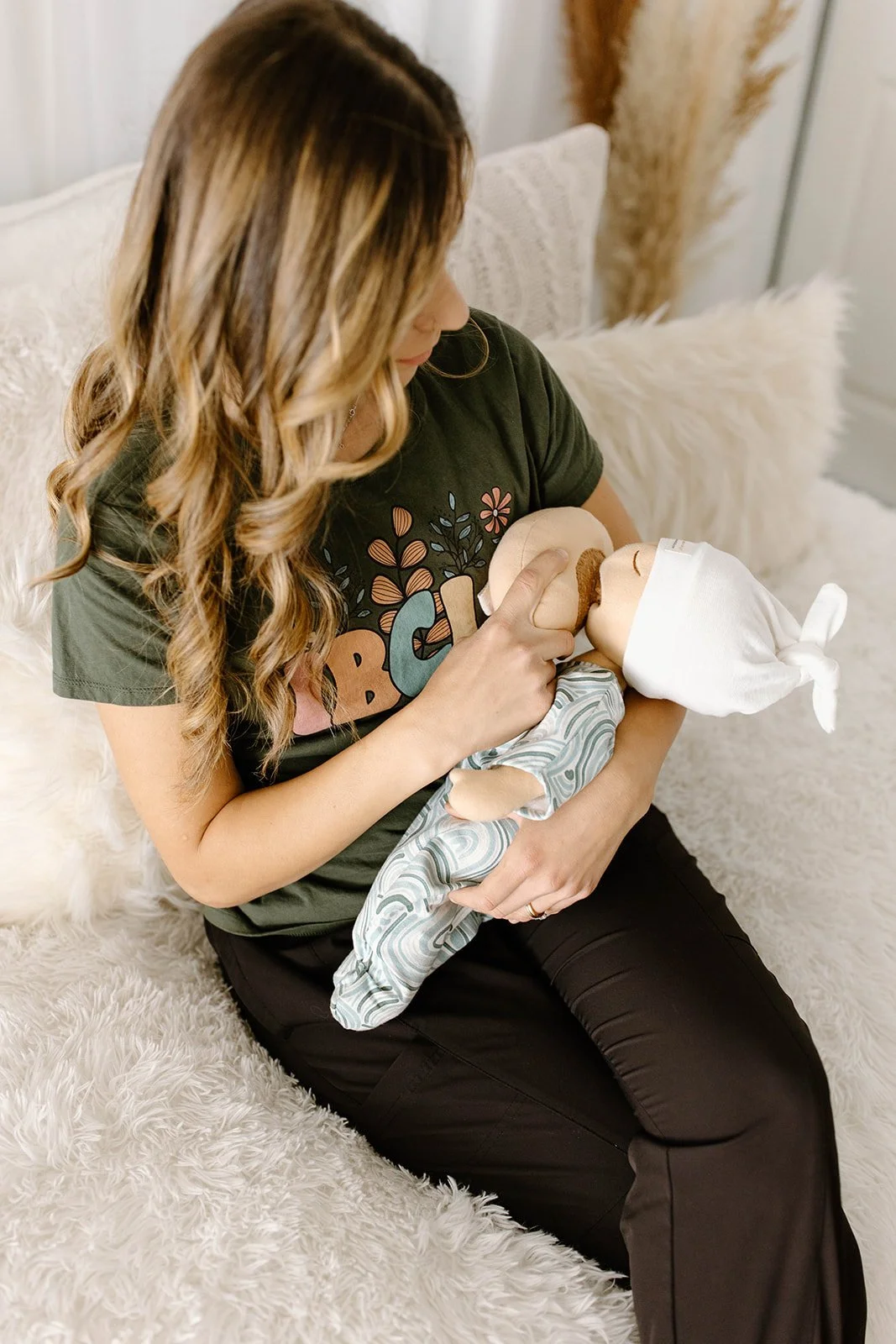
Breastfeeding is a learned skill for both parent and baby. Understanding how milk production works, what early feeding should look like, and how to recognize effective milk transfer can dramatically improve outcomes in the early postpartum days. Prenatal support allows families the time and support to set goals, ask questions, explore concerns, identify potential challenges, and put a plan in place before feeding issues arise.
At Roots Lactation, we offer prenatal lactation education in two ways: our Breastfeeding Foundations prenatal class and individualized, one-on-one prenatal lactation consults, which are often covered by insurance. These services are especially beneficial for parents who want personalized guidance or who may have factors that increase the likelihood of breastfeeding challenges.
Prenatal lactation support is highly recommended if you are a first time mama but also if you've experienced:
Difficulty breastfeeding a prior child
Low milk supply with a previous baby
A history of breast or nipple surgery
Little or no breast changes during pregnancy
Chronic health issues
Hormonal concerns, history of PCOS, or infertility
Pregnancy with twins
During a prenatal consult, our team takes time to review your health history, previous feeding experiences, and breastfeeding goals. We discuss what to expect in the first hours and days after birth, how to support early milk production, and how to recognize when feeding is going well or when early support is needed. Recognizing feeding challenges early and addressing them promptly helps set both mom and baby up for success.
We also provide flange sizing for pumping, which can make a significant difference in comfort and milk output once pumping begins. Proper flange fit is often overlooked until problems arise. Additionally, we review colostrum harvesting, including when it may be appropriate, how to do it safely, and how hand expression can be used after birth if needed.
Whether through our Breastfeeding Foundations class or personalized prenatal consults, we provide education and planning that is practical, evidence-based, and tailored to your needs. Our goal is to equip parents with confidence, clarity, and tools that actually work.
Prenatal lactation support doesn’t promise a perfect feeding journey, but it does equip you with the tools needed to address challenges and know all your options. When parents understand their bodies and their options, they are better equipped to navigate the early days with confidence.
Many of our clients share that they wish they had taken a prenatal class to avoid some of the uncertainty and challenges of navigating feeding with a new baby. Preparing for breastfeeding before birth is one of the most impactful steps you can take—for both you and your baby.
